When it comes to photography, there are a variety of formats to choose from. Some photographers prefer the classic rectangle shape, while others enjoy experimenting with square format photography.
In this blog post, we will take a closer look at the square format and explore its benefits and drawbacks. We will also compare it to other popular formats and see when it is best used.
So, if you’re looking for something new to try in your photography, be sure to check out the square format!
What is Square Format Photography

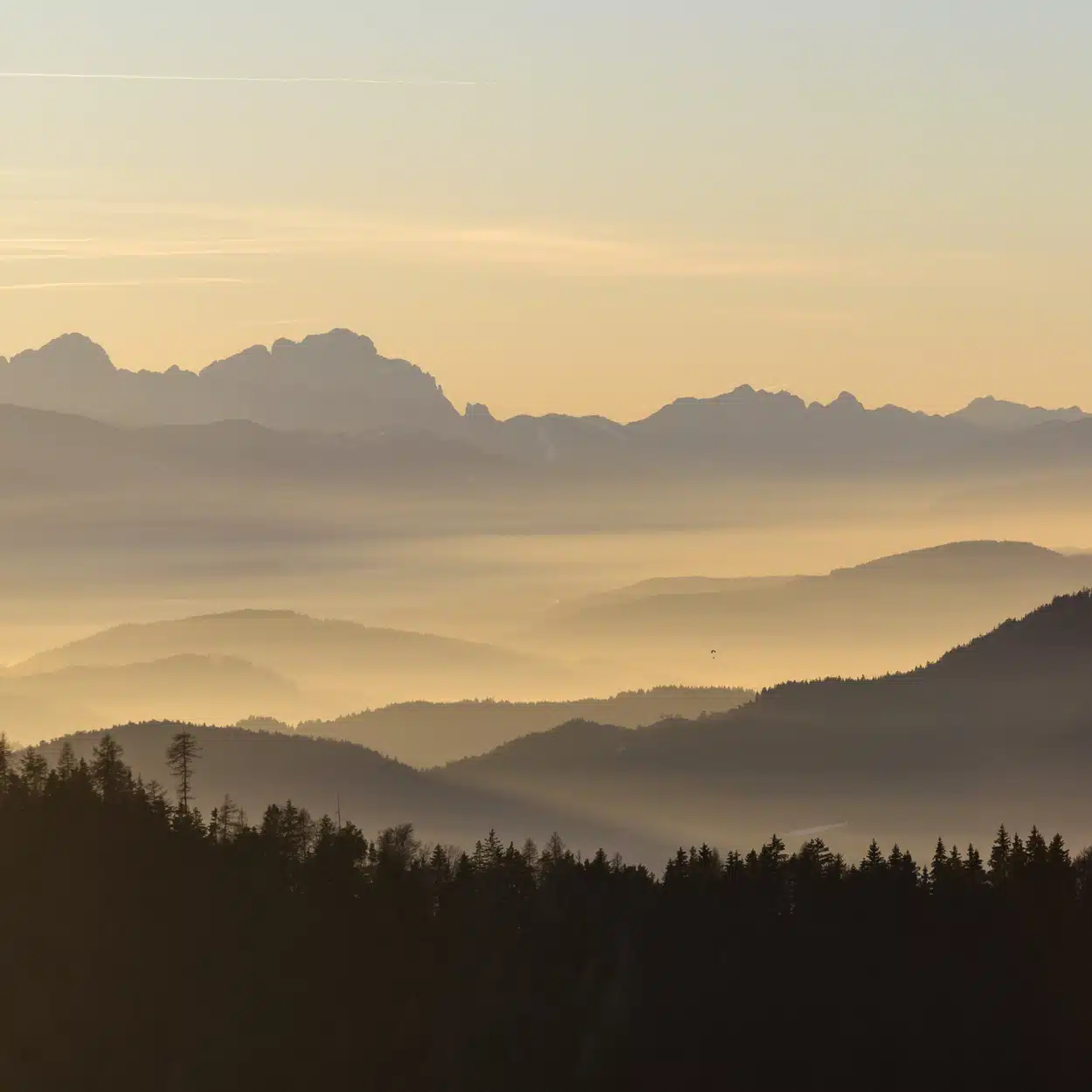
Square format photography is a type of photography that uses a square-shaped image. This type of photography is often used for portraits, as it can create a more intimate feeling. It can also be used for landscapes and other types of photos.
Square Frame Composition
Square format photos often have a more unique look than rectangular photos. This is because the square shape allows for more interesting compositions.
For example, you can place your subject in the center of the frame and create a sense of balance.

Or, you can use the square format to crop your subject in an interesting way.
The central composition is a great way to make your subject stand out keeping the frame balanced.
Symmetrical Composition
A square format can also be used to create symmetry in your photos. Symmetry can be an incredibly powerful tool in photography, as it can create a sense of calm and order.

Of course, the square format is not limited to these compositions. You can get creative and experiment with a variety of compositions. The possibilities are endless!
One of the benefits of the square format is that it can be used to create unique compositions. However, the square format also has some drawbacks.
For example, a square format can make it difficult to include multiple subjects in the frame. This is because the square shape can make it hard to fit more than one subject into the frame.
Another downside of the square format is that it can be more difficult to create a wide field of view. This is because a square crop from a rectangular sensor narrows the view from side to side.

Therefore the square format might not be the best choice for landscape format, since landscape photography requires a wider field of view to capture all the scenery.
However, the square format can be a great choice for portraits and other types of photos where you want to focus on a single subject.
Rule of Thirds
With the square frame, the rule of thirds still works but with a little twist.
The square frame is divided into nine equal parts by two vertical and two horizontal lines. The four points where these lines intersect are called power points.

Placing the subject on one of these points can create a more visually interesting photo.
The rule of thirds still works very well on square format images but it is definitely less evident compared to the classic rectangular aspect ratio.
Negative Space
Negative space is the empty space around your subject. In square format photos, the negative space can often be more pronounced than in a rectangular frame.

This is because the square shape creates a more defined border around your subject. As a result, the negative space can become a more important part of the composition.
Square Format vs Rectangular Format
Negative Space has a different effect on the rectangular frame and the square format.
In the square format, the negative space is more defined and creates a stronger border around your subject.
In the rectangular format, the negative space can help to create a more expansive feeling.
Overall, I have found that with square format there is an overall better balance in the picture.
Let’s take this rectangular format photo for example. We can see that, with this aspect ratio, there is too much empty space and it makes the picture unbalanced.

If we crop it into a square format photo, we can see that the negative space is much more balanced.

I tend to use this square format when I am taking portraits or close-ups of a subject. The square shape creates a more intimate feeling and allows me to focus more on the subject.
Black and White Photography with Square Format
Square photos can also be very effective in black and white. It is a format that can help to create a more graphic look.

Black and white square photos often have a retro feel and can be very striking, especially as an out of the ordinary portrait format.

One of the things I love about square black and white photos is that they can have a very minimalistic feel.
This is because the square shape can help to simplify the composition. Often less is more with square black and white photos.
If you are thinking about shooting square black and white photos, I would definitely encourage you to experiment with the format. It is a great way to get creative with your photography!
How To Shoot Square Format on your iPhone
Now that you know all about square format photography, you might be wondering how you can shoot square photos on your iPhone.
The good news is that it is very easy to do!
In fact, you can shoot square photos directly in the native Camera app on your iPhone.
To do this, open the Camera app in Photo mode, open the camera controls and set the aspect ratio to 1:1. Then take your photo as usual. Older iPhones had a separate Square mode in the mode selector, like the one in the screenshot below.

It’s really that simple!
If you want even more control over your square format photos, many third-party camera and editing apps can shoot or crop to 1:1.
Many of them also let you add borders, filters, text, and other creative elements to your photos.
How To Shoot Square Format on Digital Cameras
If you are shooting square format on a digital camera, there are a few things to keep in mind.
First of all, you will need to set your camera to the square format option.
This is usually done in the menu system of your camera.
Once you have set your camera to square format, simply take your photos as usual.
Keep in mind that most digital cameras have a rectangular sensor, so a 1:1 setting simply crops the image. JPEGs come out square, while raw files usually keep the full frame with the crop saved as a setting you can change later in programs such as Lightroom.
That also means you lose some resolution compared with the full rectangular frame.
If you want true square capture with no crop, look at 6×6 medium format film cameras, such as a Hasselblad 500-series or a twin-lens Rolleiflex, which record square negatives natively.
Overall, shooting on a square aspect ratio is a great way to be creative with your photography.
Give it a try and see what you think!
Conclusion
Square format photography is a great way to be creative with your photos. The square shape can help to create a more intimate feeling and allow you to focus more on the subject.
Additionally, square photos can also be very effective in black and white. If you are thinking about shooting square black and white photos, I would definitely encourage you to experiment with the format.
It is a great way to get creative with your photography!
I hope you enjoyed this reading on square format photography. If you have any questions or comments, please feel free to leave them below.
Thanks for reading!
Frequently Asked Questions
Yes, the square format is often used in fine art photography. The square shape creates a more intimate feeling and allows the photographer to focus more on the subject.
Some of the benefits of square format photography include the ability to create a more intimate feeling, the ability to focus more on the subject, and the square shape can help to simplify the composition.
There is no right or wrong answer to this question. It ultimately comes down to personal preference.
Some people prefer the square format because it allows them to focus more on the subject. Others prefer a rectangular format because it gives them a wider field of view.
Square was Instagram’s original format, and square images still fit neatly in the feed. Since 2025, though, the profile grid shows posts as taller 3:4 thumbnails, so check how a square photo looks there.